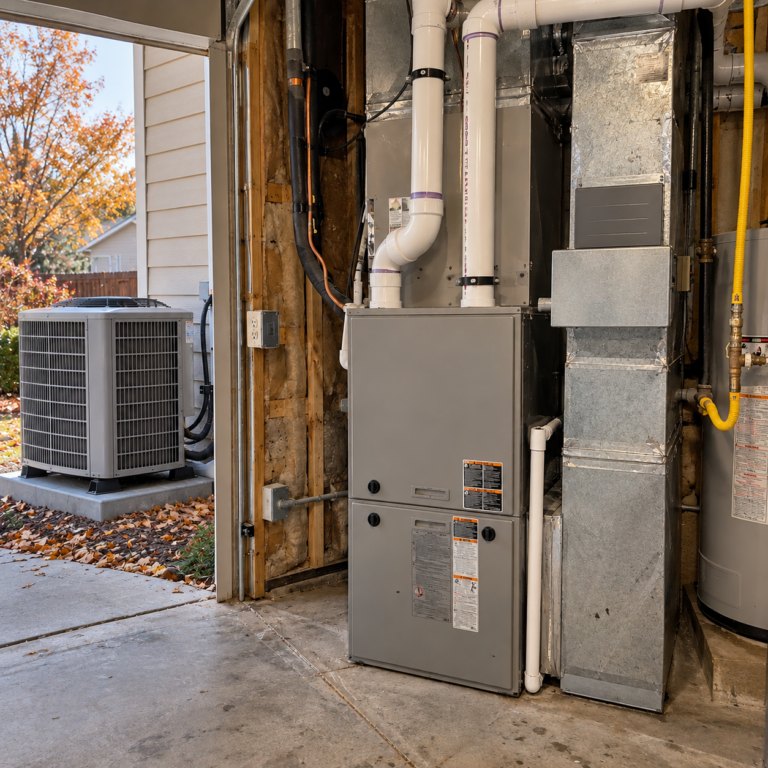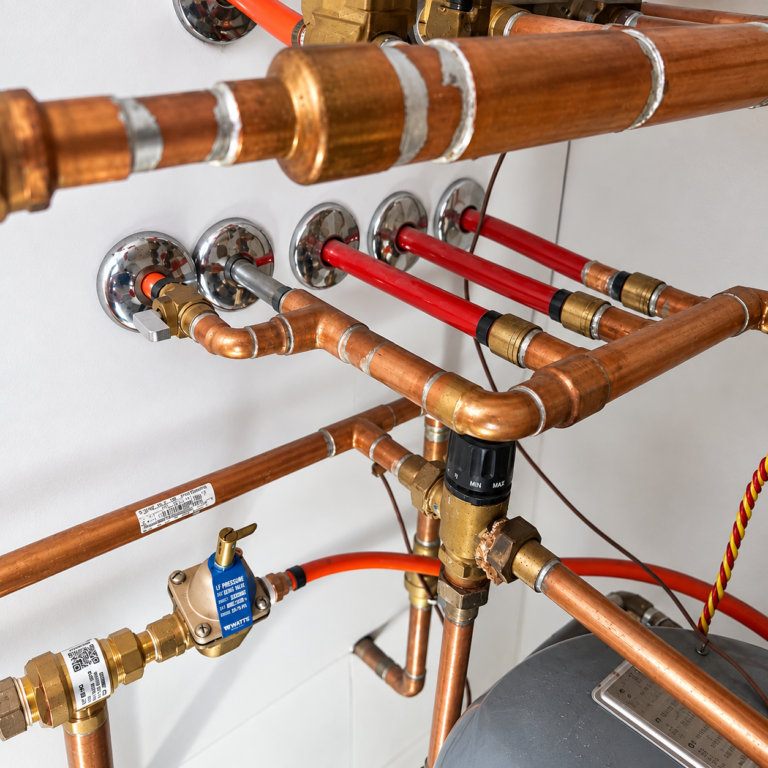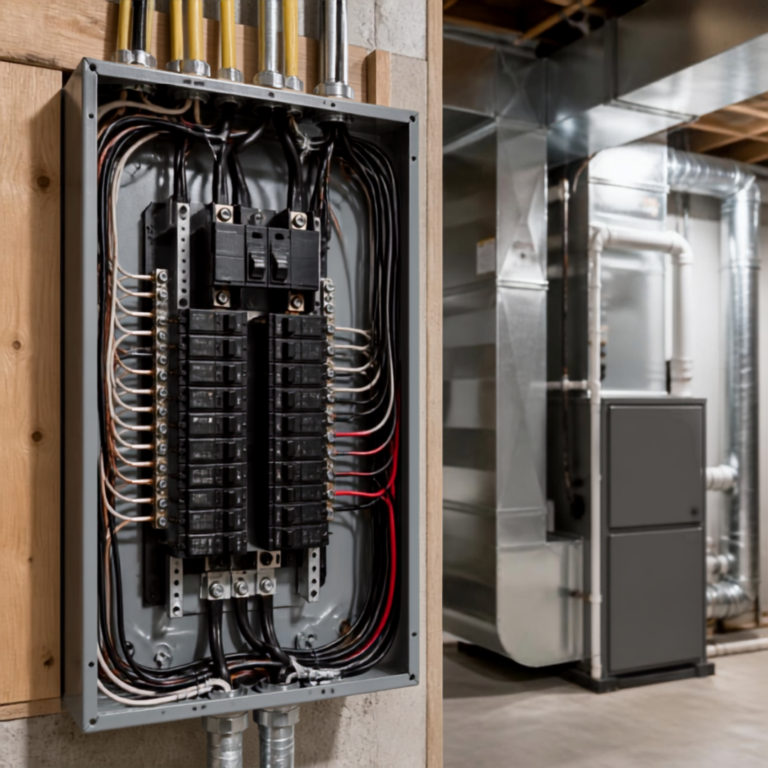
Ice building up on your HVAC pipes is often a sign your system needs professional air conditioning repair in Aurora, CO. Frozen pipes can be caused by restricted airflow, low refrigerant levels, or other AC issues that make your system work harder than it should. Many homeowners first notice weak airflow, warm air coming from vents, or an air conditioner that stops cooling completely.
In one recent service call, a homeowner reported that ice had formed around the HVAC pipe and both the heating and cooling systems stopped working shortly afterward.
What Causes HVAC Pipes to Freeze?
HVAC pipes usually freeze because the evaporator coil inside the system becomes too cold. When airflow is restricted or refrigerant levels drop, condensation on the coil can freeze instead of draining away normally. Over time, that ice buildup can spread to the refrigerant lines and surrounding components.
Several different problems can lead to this condition.
Dirty Air Filters Can Restrict Airflow
One of the most common causes of a frozen HVAC pipe is a clogged air filter. Your system depends on steady airflow to keep the evaporator coil operating at the correct temperature. When the filter becomes packed with dust and debris, airflow slows down and the coil can get cold enough to freeze.
Replacing filters regularly can help prevent unnecessary strain on your HVAC system and improve overall efficiency.
The U.S. Department of Energy notes that replacing a dirty HVAC filter can lower energy consumption and help systems operate more effectively.
Closed or Blocked Vents Can Create Pressure Problems
Many homeowners close vents in unused rooms to save energy, but this can sometimes create airflow imbalances. Blocked supply or return vents can reduce the amount of warm air moving across the evaporator coil, increasing the risk of freezing.
Furniture, rugs, curtains, and dust buildup around vents can also contribute to restricted airflow.
Low Refrigerant Levels May Cause Ice Formation
Low refrigerant is another major reason HVAC pipes freeze. Refrigerants help absorb heat from inside your home. When refrigerant levels are too low due to a leak or improper charge, pressure inside the system drops. This can cause the evaporator coil temperature to fall below freezing.
Dirty Evaporator Coils Can Lead to Freeze-Ups
Your evaporator coil removes heat from indoor air, but dirt and debris on the coil can interfere with that process. A dirty coil reduces heat transfer and airflow, making it easier for condensation to freeze.
This issue becomes more common when routine HVAC maintenance is skipped for long periods.
Blower Fan Problems Can Reduce Air Circulation
Your blower fan is responsible for moving air throughout the HVAC system. If the blower motor is failing, running too slowly, or not operating at all, airflow across the evaporator coil drops significantly.
This can quickly lead to freezing, especially during hot weather when your AC is already under heavy demand.
Why Is My AC Freezing Up Even After Repairs?
If your HVAC pipe keeps freezing after previous repairs, the original cause may not have been fully resolved. Some freeze-ups are symptoms of larger underlying issues such as refrigerant leaks, ductwork restrictions, oversized systems, or drainage problems.
Temporary fixes may thaw the system without correcting the reason the freezing started in the first place.
Can Frozen HVAC Pipes Damage Your System?
Yes. Continuing to run an HVAC system while pipes are frozen can potentially damage major components.
Ice buildup can place strain on the compressor, reduce lubrication, and increase operating pressure once the system thaws. Over time, repeated freezing may shorten the lifespan of the system and increase repair costs.
If you notice ice on your HVAC pipes, it is best to turn the system off and allow it to thaw before further operation.
What Should Homeowners Do If HVAC Pipes Freeze?
If your HVAC pipe freezes, there are a few steps you can safely take before calling for professional service.
Check the Air Filter. Replace the filter if it appears dirty or clogged.
Make Sure Vents Are Open. Inspect supply and return vents throughout the home to confirm they are not blocked by furniture or closed completely.
Turn the System Off. Shutting off cooling mode can help prevent additional ice buildup while the system thaws.
Avoid Chipping Away Ice. Trying to scrape or break ice off HVAC components can damage coils and refrigerant lines.
Keep Your Home Cool With Professional AC Repair
Our team at Jump HVAC can identify the cause of frozen pipes, inspect airflow issues, check refrigerant levels, and help prevent costly air conditioning problems before they lead to major system damage or complete AC breakdowns. Schedule your air conditioning repair today to keep home cool, comfortable, and running efficiently.