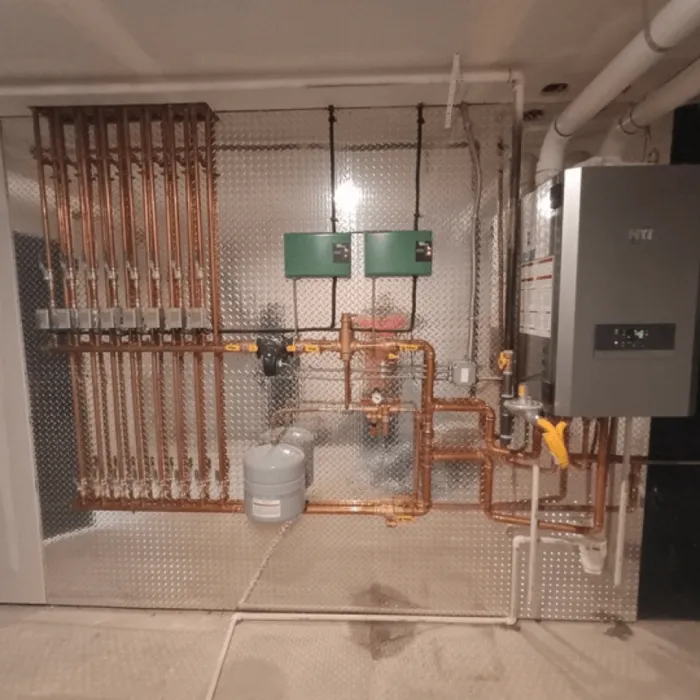
We have been getting more questions about Colorado’s HB23-1161, especially from homeowners planning future HVAC or water heater replacements. While this law is not something most people need to act on right now, it will shape what equipment is available in the coming years. Understanding it ahead of time helps prevent confusion or surprise when replacement time comes.
What is HB23-1161?
HB23-1161 is a Colorado law passed in 2023 that updates emissions and efficiency standards for certain gas-fired heating equipment sold or installed in the state. The law primarily targets nitrogen oxide emissions, commonly referred to as NOx, which contribute to air pollution and ozone formation.
The requirements apply to new equipment sold or installed in Colorado starting January 1, 2026. Existing systems already installed in homes are not affected.
Key takeaway: This law changes what can be sold in the future, not what you already own.
What types of equipment are affected by HB23-1161?
For homeowners, the most relevant equipment categories include:
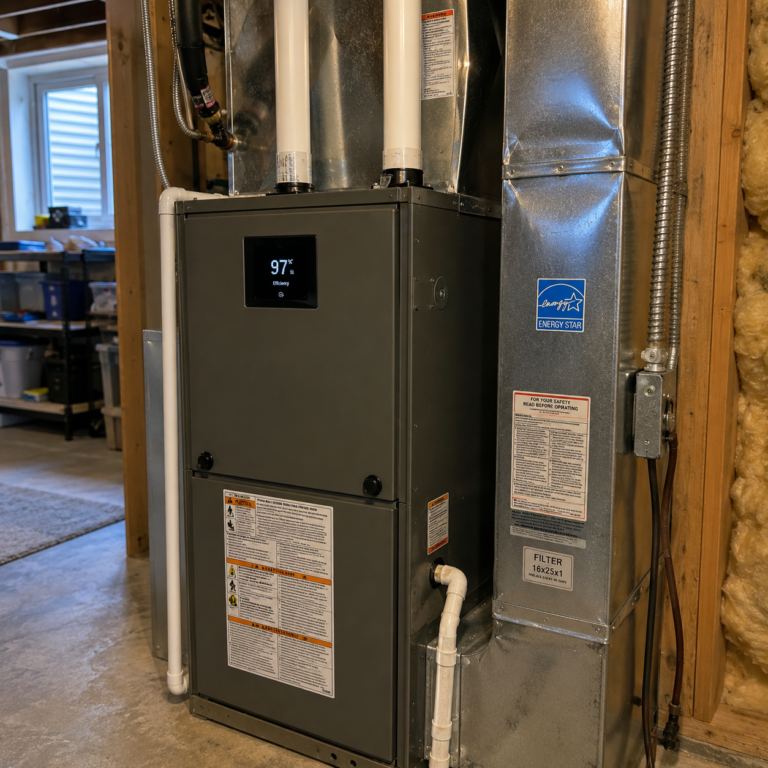
- Gas-fired central furnaces
- Gas water heaters within specific size ranges
These appliances must meet updated ultra-low NOx emissions standards or equivalent efficiency requirements once the law takes effect. Over time, manufacturers will phase out older, non-compliant models from the Colorado market.
Does HB23-1161 require homeowners to replace working systems?
No. HB23-1161 does not require homeowners to replace functioning furnaces or water heaters. If your system is operating properly, you can continue using and maintaining it as usual.
The law only applies when a system is being newly installed or replaced after the effective date.
When should homeowners start paying attention to this law?
This law matters most for homeowners who expect to replace major heating equipment in 2026 and 2027. As the deadline approaches, equipment availability will shift, and compliant models may differ in design, performance, and cost from older systems.
Planning early allows time to:
- Understand compliant options
- Compare efficiency levels
- Avoid rushed decisions during an emergency replacement
Will HB23-1161 increase replacement costs?
In many cases, compliant equipment uses newer burner technology and higher efficiency components. That can increase upfront equipment costs, but it may also reduce energy use over time.
Actual cost impact depends on:
- System type
- Home size and layout
- Fuel source and usage patterns
There is no universal price change that applies to every home.
Are there alternatives to affected gas systems?
Yes. Homeowners may also consider options such as:
- Heat pump systems
- Electric water heaters
- Hybrid systems depending on home configuration
These systems are not restricted by the same gas emissions standards and may offer efficiency or environmental benefits depending on the situation.
Our perspective as a local HVAC provider
We see laws like HB23-1161 as an opportunity for homeowners to plan smarter, not panic. Most people do not need to act immediately, but knowing what is coming helps avoid last-minute stress when equipment fails unexpectedly.
Our role is to help homeowners understand how these changes affect their home, not push unnecessary upgrades.
What should homeowners do next?
If your furnace or water heater is older, or if you expect to replace equipment in the next few years, a professional inspection can help you plan with confidence. We can explain compliant options, efficiency differences, and realistic timelines so you are never caught off guard.
Contact us to schedule an inspection or request a quote when you are ready to start planning.